
Fundamentals of Character Design for Games
Learn the core principles that make game characters memorable and functional across different art styles and technical constraints.
Master timing, weight, and anticipation to create believable character movement that audiences connect with emotionally.
Animation isn’t about making things move smoothly — it’s about making them feel real . When a character walks across the screen, jumps to reach a ledge, or reacts to dialogue, viewers instantly sense whether something’s off. That’s because we’ve spent our entire lives watching how real bodies move. We know instinctively when weight isn’t distributed correctly, when timing feels rushed, or when anticipation is missing.
The difference between amateur and professional animation comes down to understanding a few core principles. Get these right, and suddenly your characters breathe. They have personality. They feel alive. We’re going to break down exactly how animators make that happen.
Timing is everything. It’s the difference between a jump that feels weightless and one that feels like the character’s actually leaving the ground. In animation, timing refers to how many frames you hold a pose, how quickly you move between poses, and the rhythm of those transitions.
Most beginners animate too quickly. They want action to happen fast, so they skip frames or rush through poses. But here’s the thing — slower often reads better. If a character needs to pick up a heavy object, you don’t rush it. You hold their stance for an extra frame or two, let gravity settle into their posture. That split-second pause tells the viewer: this is heavy .
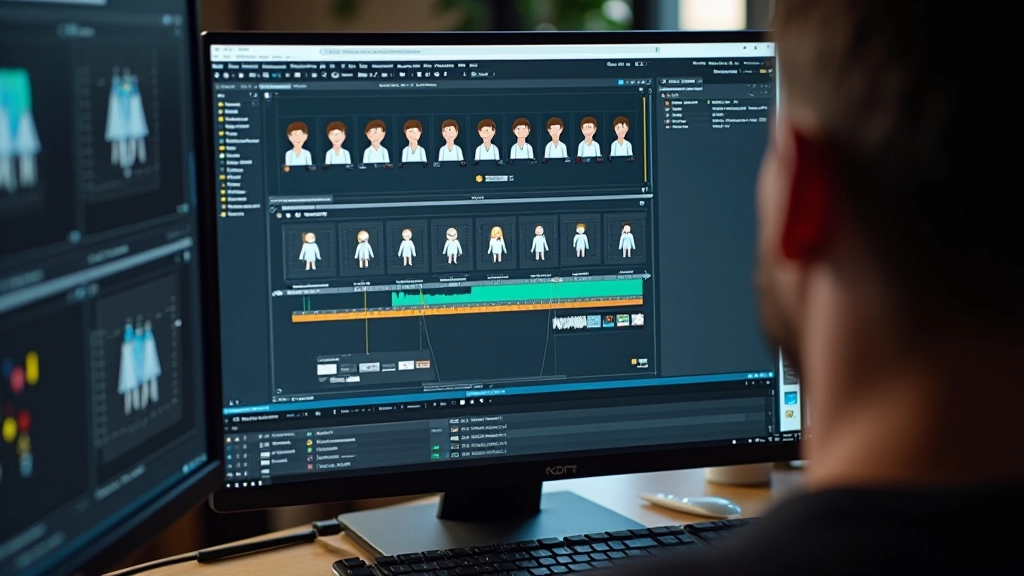
Professional animators spend time blocking — setting key poses — before they worry about in-between frames. They’ll establish the rhythm first. A punch might be 8 frames fast, but the recovery could be 12 frames slower. That variation in timing creates believability.

Every movement starts with weight. If you get this wrong, nothing else matters. A character moving their arm isn’t just their arm moving — their whole body shifts slightly to counterbalance. When they lift one foot off the ground, their center of gravity shifts to the other leg. It’s physics, but it’s also the most human thing about animation.
Watch how a real person picks something up. They don’t just bend down and grab it. They shift their weight backward, brace their legs, and prepare their body for the weight they’re about to hold. In animation, you need to show that preparation. If a character is about to pick up something heavy, their shoulders drop slightly, their knees bend, their spine compresses. It takes maybe 4-6 frames, but it sells the entire action.
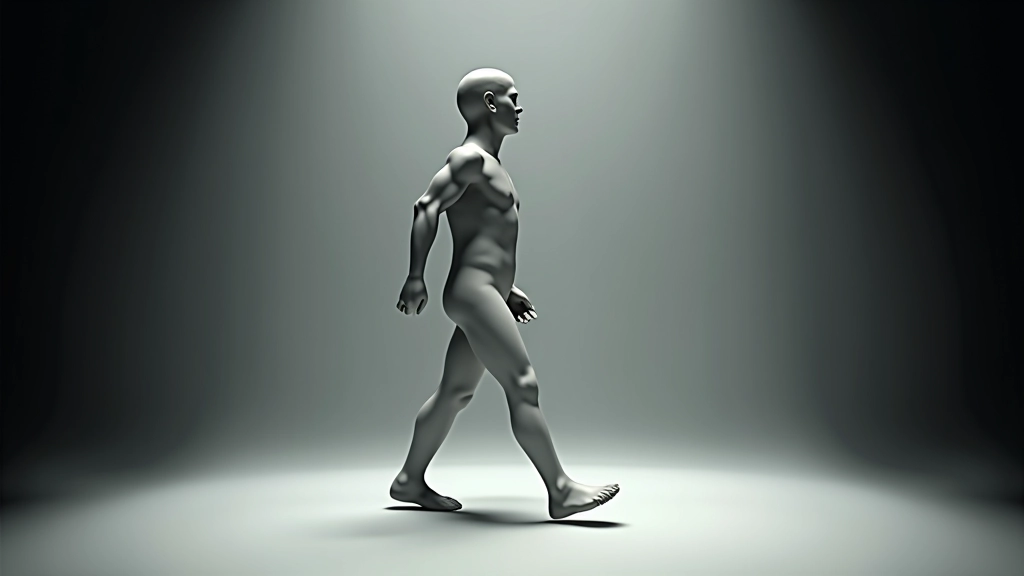
The walk cycle is where weight distribution becomes most obvious. Each step shifts the center of gravity from one leg to the other. The hip drops on the side that’s supporting the weight. The spine curves slightly. The arms swing in opposition — when the right leg steps forward, the left arm swings forward too. This is called “opposing action,” and it’s fundamental.
Anticipation is the pause before the action. It’s a character crouching before they jump. It’s them pulling their arm back before they throw. It’s the slight squint before they shout. Without anticipation, actions feel sudden and jerky. With it, they feel intentional and powerful.
Most animators spend about 10-15% of their action frames on anticipation. So if a jump takes 20 frames total, 2-3 frames are spent in the anticipation pose. That’s a quick crouch. It signals to the viewer: something’s about to happen . The brain registers this, and when the jump happens, it feels earned.
Facial expressions work the same way. Before a character speaks an emotional line, there’s often a micro-expression — a tightening around the eyes, a slight lip press. That anticipation makes the dialogue hit harder. It’s not just sound coming out; it’s an emotional state being expressed.
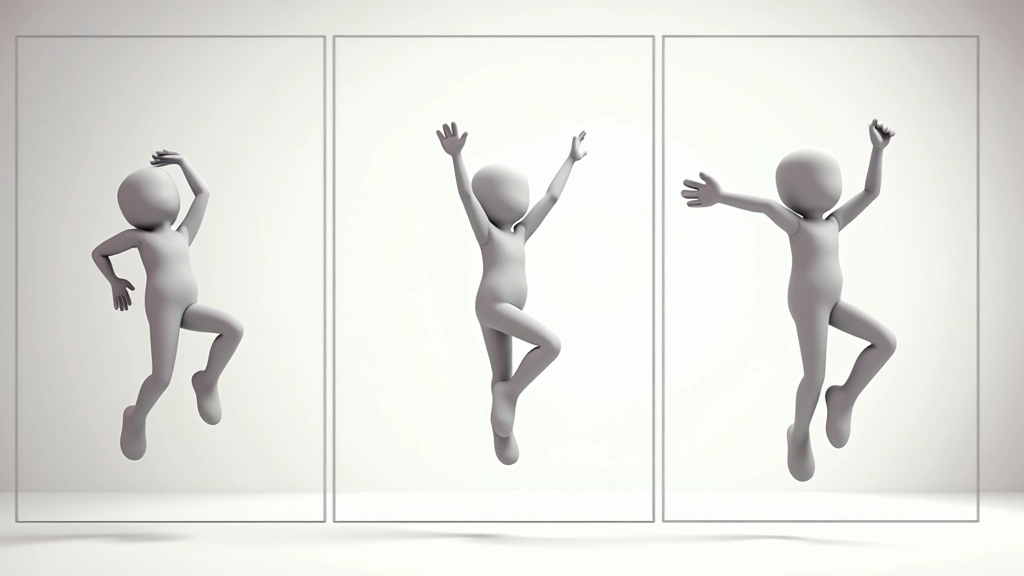
This guide provides foundational animation principles used across the industry. While these concepts are universal, every animator develops their own interpretation and application based on project requirements, software, and artistic style. Animation is both technical and creative — the principles we’ve covered are tools, not rigid rules. Real mastery comes from practice, experimentation, and studying motion in the world around you.
When you combine timing, weight, and anticipation, something magical happens. A character’s movement becomes readable instantly. Viewers don’t need to think about what’s happening — they just feel it. That’s the goal of character animation: invisible technique that creates emotional connection.
Start with a simple action — a walk, a punch, a reach for something. Block out your key poses first. Where’s the character’s weight? What’s the timing? Where does anticipation happen? Then fill in the in-between frames. Check it at full speed. Check it in slow motion. Does it feel right?
The animators who work on AAA games spend weeks perfecting a single walk cycle. Not because it’s complicated, but because that walk cycle is in every scene. Get it right, and the character feels alive from the first frame. Get it wrong, and players will sense something’s off, even if they can’t articulate what.